Brake Maintenance: Safety First
Brakes are your car's lifeline. Learn how to recognize worn pads, understand stopping distances, and schedule maintenance before problems become dangerous.
You're driving down the highway. Traffic suddenly stops ahead. You press the brake pedal and your car slows smoothly. That instant response? That's your brake system working perfectly — and it's literally keeping you alive.
Most drivers don't think about brakes until something goes wrong. But waiting until your brakes fail is like waiting until you can't see to replace your windshield wipers. We're going to walk you through everything you need to know: what's actually happening when you brake, how to spot problems early, and when it's time to get professional help. This isn't just maintenance. This is the difference between stopping safely and having a real emergency.
Why Brake Maintenance Matters
Brake failure doesn't happen overnight. It's a gradual process that starts with small signs — noises, longer stopping distances, a soft pedal. If you're ignoring these signs, you're literally gambling with your safety and everyone else's on the road. Most brake failures we see could've been prevented with basic maintenance.
How Your Brakes Actually Work
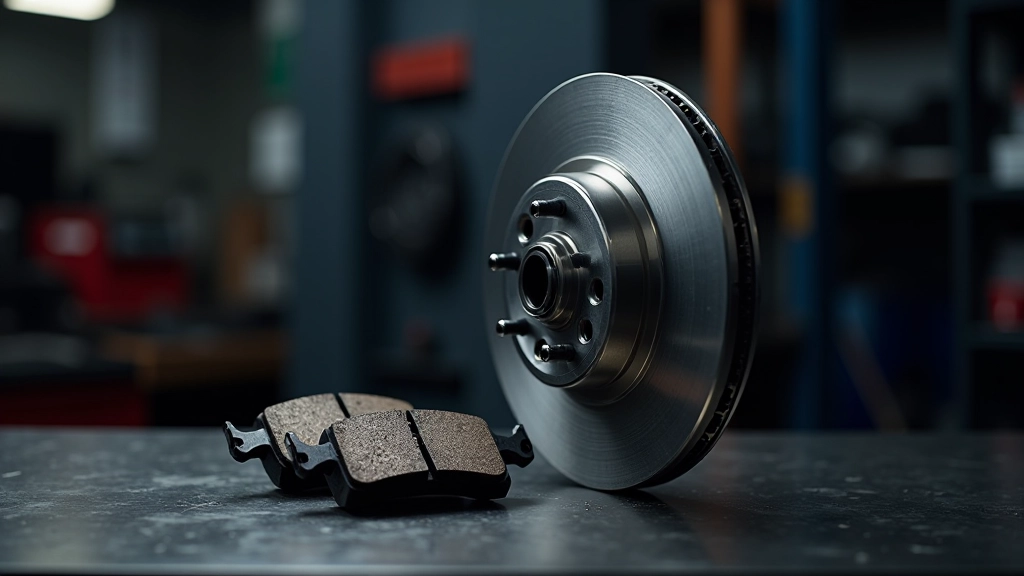
Your brake system is surprisingly simple, which is why it's so reliable. When you press the pedal, you're activating hydraulic pressure that pushes brake pads against spinning rotors. That friction converts your car's motion into heat, slowing you down. It happens in milliseconds.
But here's the thing — every time you brake, you're wearing down those pads. They're designed to wear. That's their job. Pads typically last between 30,000 and 70,000 miles depending on your driving style. Heavy braking in city traffic? You'll need new pads sooner. Highway driving with gentle braking? They'll last longer.
The rotors (the discs your pads squeeze) also wear down over time. When you need new pads, the rotors are often resurfaced or replaced at the same time. Ignoring this cycle is how you end up with metal-on-metal grinding — and that's when repair costs jump from a few hundred to over a thousand euros.
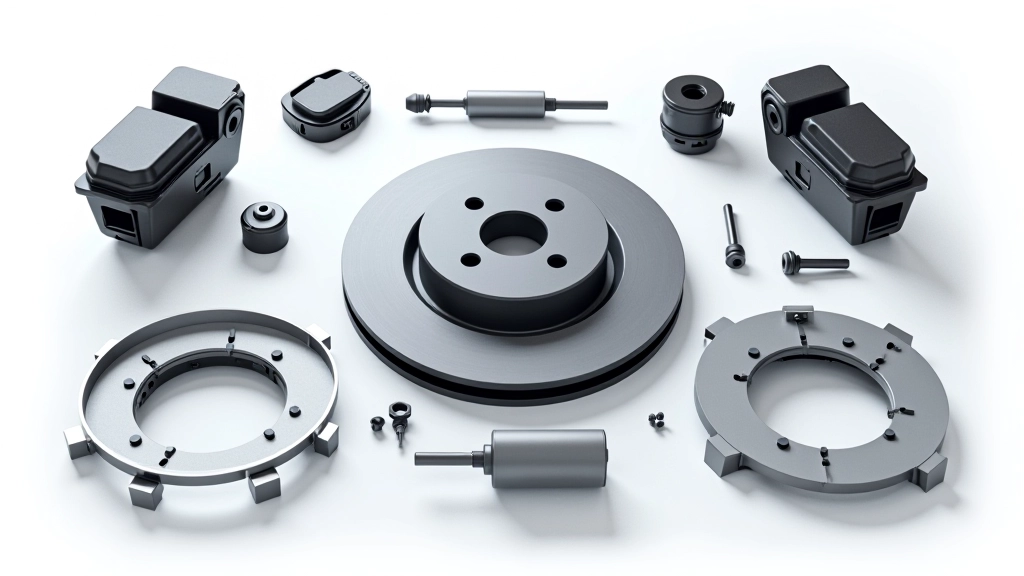
- Brake pads: replaceable friction material
- Rotors: spinning discs that get squeezed
- Calipers: the mechanism doing the squeezing
- Brake fluid: the hydraulic medium making it all work
- Brake lines: delivering pressure throughout the system
Seven Warning Signs You Need Brake Service Now
Don't wait for a complete failure. Here are the signs that tell you it's time to get your brakes checked — soon.
1
Squealing or Squeaking Noise
Most modern brake pads have a wear indicator — a small metal tab that makes a high-pitched squealing sound when pads get thin. Some people ignore this. Don't be that person. That squeal is literally telling you "get new pads this month, not next month."
2
Grinding or Metal-on-Metal Sound
This is worse. If you're hearing grinding, your pads are gone and metal rotors are rubbing directly on metal calipers. You've passed the point of "soon" — you need service today. Continuing to drive damages the rotors and can affect your stopping ability.
3
Soft or Spongy Brake Pedal
Your pedal should feel firm with immediate resistance. If it feels soft, squishy, or travels too far before engaging, there's air in your brake lines or a leak. You might need a brake fluid flush or line replacement. This isn't optional — soft brakes are dangerous brakes.
4
Longer Stopping Distances
You notice you need to brake earlier than usual to stop safely. Maybe you pressed the pedal the same way and the car didn't respond as quickly. This is a sign pads are worn or brake fluid is degraded. It's serious because it directly affects your ability to avoid collisions.
5
Brake Light on Dashboard
Modern cars monitor brake system health. If the brake warning light comes on, there's a real issue — low fluid, pad sensors triggered, or a system malfunction. Get it diagnosed within a few days. Don't ignore warning lights hoping they'll go away.
6
Brake Fluid Leak Under the Car
You see fluid (usually clear or light brown) under your car where you parked. Brake fluid leaks mean your system will gradually lose pressure. You can't drive safely with a leak. This requires professional diagnosis — could be a caliper seal, a line, or a master cylinder.
7
Brake Pedal Pulsing or Vibration
You feel the pedal pulse or vibrate when braking, especially during hard stops. This usually means your rotors are warped or unevenly worn. Warped rotors reduce braking effectiveness. They need resurfacing or replacement to restore proper contact.
What Brake Service Actually Includes
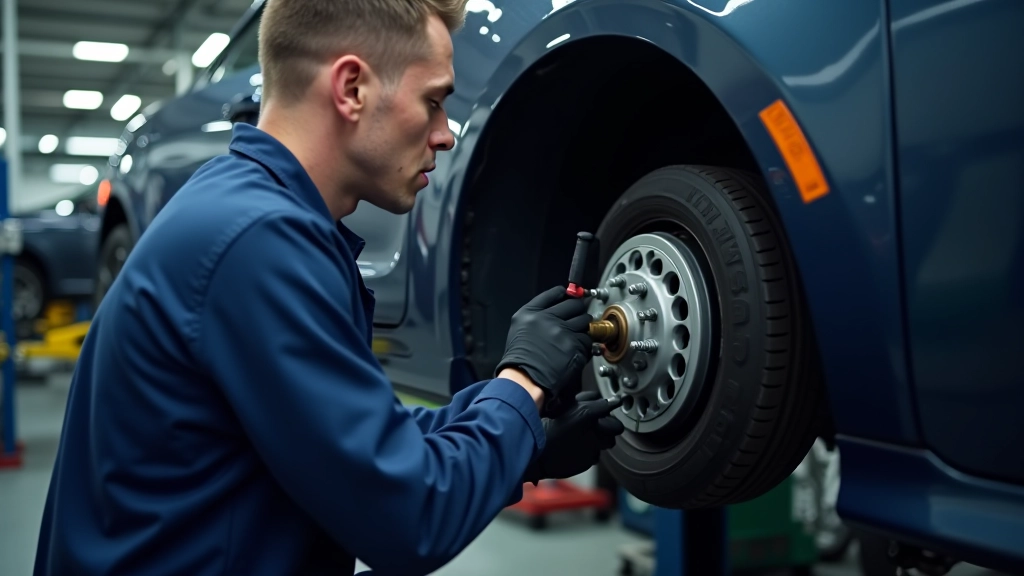
When you take your car to a technician for brake service, here's what happens. They'll inspect pad thickness (most pads should be at least 2-3mm thick), check rotor condition for warping or deep grooves, examine brake lines for leaks or corrosion, and test brake fluid for moisture and degradation.
A full brake job typically means replacing pads on at least one axle (usually the front, which does about 70% of the braking). If rotors are damaged, they're replaced too. The technician will also top up or flush your brake fluid depending on age and condition. In Prague, a basic brake pad replacement runs around 1,500-2,500 CZK per axle. Rotors add another 1,000-2,000 CZK.
The key is getting this done before damage spreads. Replacing just pads costs less. Replacing pads, rotors, and potentially calipers costs significantly more. That's why those warning signs matter — they're your early warning system.
Pro tip:
Always have both front and rear brakes inspected together. Even
if only one side needs service, you want to know the condition
of all four wheels. Uneven braking can affect handling and
safety.
Important Safety Note
This guide is informational only. It's designed to help you understand brake maintenance concepts, recognize potential warning signs, and know when to seek professional service. Brake systems are safety-critical components. Always have brake issues diagnosed and repaired by a qualified, certified technician. Don't attempt brake repairs yourself unless you're trained and equipped. When in doubt, get a professional inspection. Your safety depends on it.
When to Schedule Brake Service
There's no single answer because it depends on your driving style. City driving with constant braking? You'll wear pads faster. Highway driving? They'll last longer. Here's what to watch for.
Every 12 months
Annual Inspection
Have your brakes visually inspected every year or every 15,000 km, whichever comes first. This takes 15 minutes and catches problems early. Many repair shops do this for free when you're in for other service.
At 30,000-50,000 km
First Brake Service
This is typically when front brake pads need replacement on most cars. Your technician will check rear pads too and make recommendations based on wear patterns.
At 50,000-80,000 km
Rotor Inspection
By this point, rotors may need resurfacing or replacement depending on wear. This is also when brake fluid should be flushed and replaced with fresh fluid (every 2 years regardless of mileage).
Any time you notice signs
Emergency Service
Don't wait for your scheduled service if you hear grinding, feel a soft pedal, see warning lights, or notice longer stopping distances. Schedule an inspection immediately. These aren't cosmetic issues — they're safety issues.
Testing Your Brakes: What You Can Check
You can't replace brake pads yourself (well, you can, but it's risky if you're not trained). But you can do basic checks to see if professional service is needed soon.
The Brake Pedal Test
In a safe, empty parking lot, brake gently from low speed. The pedal should feel firm and responsive. Now brake harder. The pedal should travel the same distance each time — firm and consistent. If the pedal feels soft, spongy, or travels further than normal, you've got a fluid issue. Schedule service.
The Sound Test
Listen when you brake in quiet conditions. You shouldn't hear anything except maybe a slight whimper from the brake fluid (that's normal). If you hear squealing, grinding, or creaking, get it checked. These sounds tell you something's wrong.
The Stopping Distance Test
This requires a safe location like an empty parking lot. Drive at a consistent speed (say 30 km/h), mark where you are, then brake normally. See where the car stops. Compare this to previous experience. If you're stopping significantly later than usual, that's a warning sign.
That's it. You don't need special tools or equipment. You just need to pay attention. Cars talk to you — through sounds, feelings in the pedal, and changes in how they respond. Most people ignore these signals. Don't be that person.

Finding Brake Service in Prague
Prague has hundreds of repair shops. Most are good. Some are exceptional. Here's how to find the right one for brake service.
Look for Certifications
ASE certification (Automotive Service Excellence) means the technician has passed rigorous testing. Many Prague shops employ certified technicians. Ask specifically about brake specialists.
Read Recent Reviews
Google reviews, Mapy.cz, and local Czech forums tell you what recent customers experienced. Pay attention to brake-specific reviews. How did they explain the work? Did they pressure you? Were prices reasonable?
Ask About Equipment
Professional shops use computerized brake testing equipment and specialized tools. They should be able to show you exactly what's wrong with before/after measurements. If they just say "your brakes are bad," ask for specifics.
Get Written Estimates
Never agree to work without a written estimate that breaks down parts and labor. Good shops will explain what needs doing now and what can wait. They're transparent about pricing.

Take Action Before Brakes Fail
Brake maintenance isn't something to put off. It's not like an air filter where you can squeeze another thousand kilometers out of it. Brakes are about safety — yours and everyone else's on the road.
If you've noticed any of those warning signs — squealing, soft pedal, longer stopping distances — schedule an inspection this week. Don't wait. If your brakes are fine right now, great. But keep listening, keep paying attention, and get that annual inspection. It'll catch problems early when repairs are cheaper and less disruptive.
Your brakes have one job: stop your car when you need it to stop. They're literally keeping you alive every time you drive. They deserve the attention.