Engine Oil Changes: Why Timing Matters
Most people don't realize how much your engine oil affects performance. We'll walk you through intervals, oil types, and what to watch for between services.
May 2026
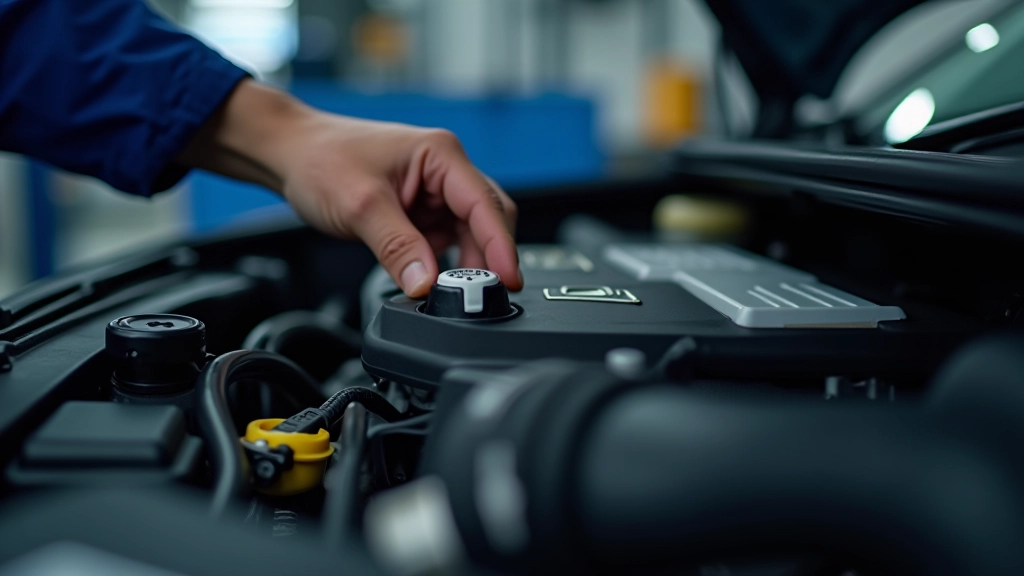
Engine oil is the lifeblood of your car. It's not just about keeping things running — it's about keeping them running well. Skip an oil change and you're not just risking poor performance. You're risking real damage that costs thousands to fix.
The thing is, timing matters more than most people think. It's not complicated, but it does require paying attention. In this guide, we'll break down exactly what you need to know about oil changes, how to recognize when yours is due, and what happens if you ignore those warning signs.
Understanding Your Oil Change Intervals
Your car's manual isn't just a suggestion — it's your roadmap. Most modern vehicles need an oil change every 5,000 to 10,000 kilometers, depending on the engine and oil type. But here's what matters: synthetic oil lasts longer than conventional oil.
With conventional oil, you're looking at the lower end — around 5,000 kilometers. Synthetic oil? You'll get 10,000 kilometers or more. Some premium synthetics go even further. The upfront cost is higher, but you're doing fewer oil changes over time, which saves money and hassle.
Quick Reference: Oil Change Intervals
- Conventional oil: 5,000 km
- Semi-synthetic blend: 7,500 km
- Full synthetic: 10,000 km
- Always check your manual first

Important Note
This article is educational and informational only. It doesn't replace professional advice from a qualified mechanic. Every vehicle is different, and your specific oil change needs depend on your car's make, model, engine type, and driving conditions. Always consult your vehicle's manual and speak with a certified technician before making maintenance decisions.
What Happens When Oil Gets Old
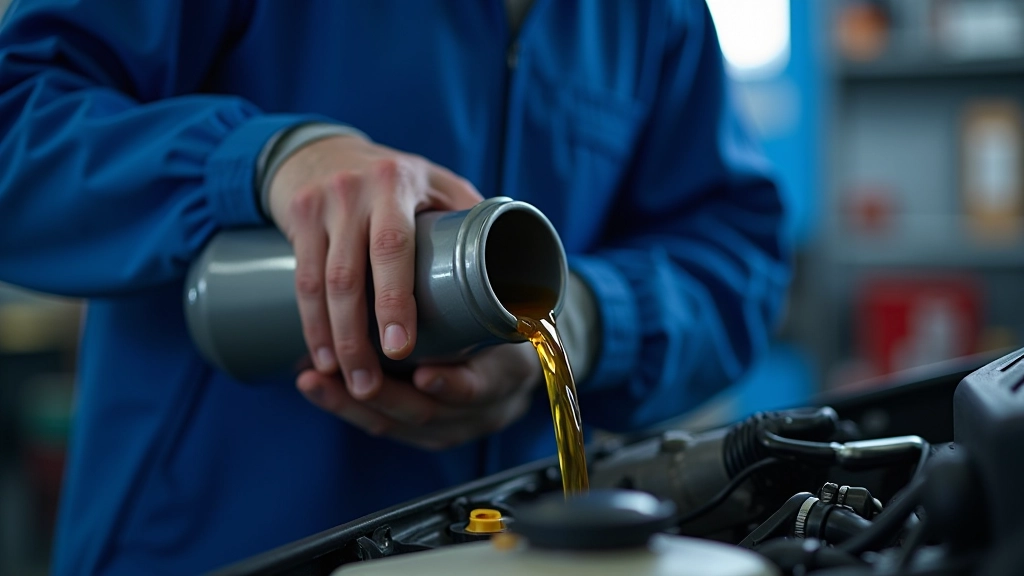
Oil breaks down over time. It's not magic — it's chemistry. As your engine runs, the oil heats up, cools down, and gets contaminated with particles. Eventually, it loses its ability to protect your engine properly.
Old oil becomes thicker and flows less effectively. Your engine parts don't get lubricated as well, which increases friction. More friction means more heat, more wear, and eventually, real problems. We're talking engine seizure, damaged pistons, and valve issues that'll cost you thousands in repairs.
That's why regular oil changes aren't optional. They're preventative maintenance that keeps your engine healthy and extends its life by years.
Signs Your Oil Needs Attention Now
Don't wait for your scheduled maintenance if you notice these warning signs. Your car's telling you something needs attention.
1
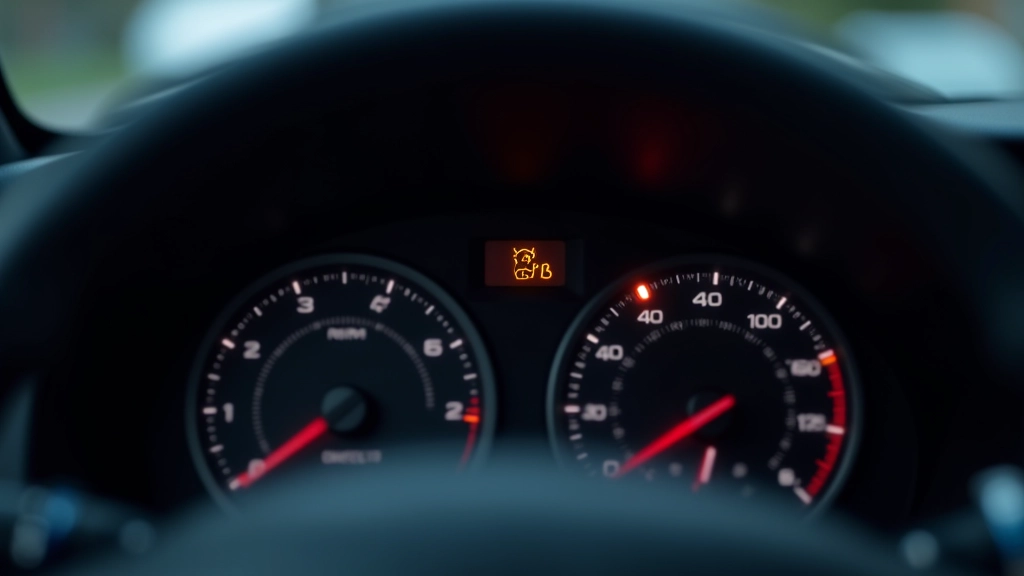
Check Engine Light
Could be many things, but low oil pressure is one of them. Get it checked immediately.
2
Dark, Dirty Oil
Pull out the dipstick. If it's black and gritty, that's old oil that's already working overtime.
3
Unusual Engine Noise
A ticking or knocking sound under the hood often means inadequate lubrication.
4
Oil Level Too Low
Low oil level on your dipstick is a red flag. Top it up and schedule a change soon.
Choosing the Right Oil for Your Engine
Not all oil is the same. Your car's manual specifies the viscosity grade — that's the number you see like 5W-30 or 10W-40. The first number (before the W) is how the oil flows in cold temperatures. The second is how it flows when warm.
Use what your manual recommends. Seriously. Using the wrong viscosity can affect engine performance and fuel economy. Your engine's built to work with a specific oil type, and deviating from that causes unnecessary stress.
Beyond viscosity, you've got conventional, synthetic blend, and full synthetic options. Conventional is cheaper but needs more frequent changes. Synthetic costs more upfront but lasts longer and protects better at extreme temperatures. For most modern cars, a quality synthetic is worth the extra investment.
Why This Matters for Your Car's Future
Engine oil changes aren't glamorous maintenance. They're not something that feels dramatic or exciting. But they're absolutely fundamental to keeping your car running reliably.
Think of it this way: You spend thousands on your car. A regular oil change costs a fraction of that. An engine replacement? That'll set you back ten times more. The math is simple. You'll spend less, your car will run better, and you'll avoid expensive repairs down the road.
Set a reminder in your phone. Check your manual for the exact interval. And don't ignore those warning signs. Your engine will thank you with years of reliable performance.
Ready to Schedule Your Service?
Professional oil changes in Prague take about an hour and protect your investment for months to come.
Find Trusted Mechanics in Prague